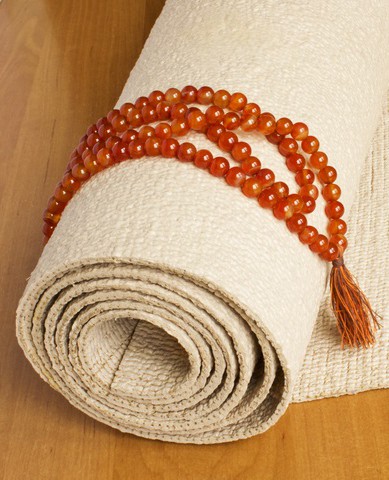
 There are so many reasons to practise yoga. In fact you might get a different reason from everyone in a room full of yogis. Some might come to stretch and balance out strength gained through other exercise, others for relaxation or to manage stress. Some might be drawn to the mindfulness or meditative aspect and for others, perhaps they just feel better after class. But if you are still unsure whether yoga is for you, have a read below and see what you think, but of course the best way to tell is to try a class and feel for yourself.
- Your body will appreciate it: The physical postures, or asanas as they are known in Sanskrit, help improve core strength and flexibility. Easing out tight muscles helps us to be more easeful in our bodies as we literally unfurl from being curled in on ourselves. Strengthening a whole range of muscles we may not use or even be aware of in our day-to-day lives gives us the deep core strength to keep our bodies open and comfortable as well as warding off common complaints such as lower back pain. Yoga also reaches all sorts of muscles we may not use in our daily lives, stretching and strengthening them and improving circulation all around the body. Circulation of the blood and allowing energy to flow more freely leaving you feeling energised and revitalised afterwards.
- It increases awareness of the breath: Yoga isn’t yoga without the breath. In fact you could say that all the asanas (postures) we do are to open up the body (and hold it comfortably open) in order to breathe more deeply. The breath is amazing. It brings oxygen into the body. Knowing how to breathe deeply can maximise the amount of oxygen you breathe in and carbon dioxide you breathe out, improving a whole range of natural bodily functions as a result, from our energy levels and how well our muscles work to the functioning of our cardiovascular and nervous systems. In yoga philosophy, it’s also how we channel Prana, (our ‘life-force’, also known as Chi in Chinese medicine). Because the breath happens unconsciously, it’s easy to overlook, but it has such a profound effect on how we feel, emotionally as well as physically. Yoga helps us to make space in the body to breathe and to do so consciously and fully. If you do any other sports, you may find that increased awareness on your breath through yoga, helps your performance elsewhere too.
- It helps you feel happy! Yoga helps stimulate the parasympathetic nervous system in the body. This is the relax, restore, repair and digest part of our nervous system which helps our bodies to function optimally, in contrast with the sympathetic nervous system which releases adrenaline so we can take flight or fight. Studies in India have also shown that yoga (including pranayama, or breathing exercises and meditation) helps boost the feel good hormone, serotonin and reduces the production of stress hormone cortisol.
- It helps us focus: Yoga incorporates a range of tools to help us still the monkey mind, so named as it bounces from one thing to the next, chattering away all the while. Patanjali’s Yoga Sutras tell us that ‘Yoga stills the mind’ yoga chitta vritti nirodha in Sanskrit. Vritti meaning turnings or ‘whirlpool’. Yoga stills the churning of our thoughts that make it hard to see or think clearly. Using the breath, keeping the gaze still, learning to hold balancing postures all help us to develop focus and concentration which in turn make it easier to make decisions and live our lives the way we want to.
- It’s relaxing: Definitely not last, nor least: it’s relaxing. Yoga and in particular Ujjayi breathing (deep, conscious breathing where we engage the back of the throat) stimulates the Vagus nerve that starts in the skull and wanders all around the body sending signals to the nervous system encouraging the body to relax. The body needs to relax in order to maintain not just a healthy heart rate and blood pressure, but all the other bodily functions which work better when we don’t have stress hormones coursing through our blood, putting us into emergency mode. Using the breath, holding postures steadily, drawing our mind into the present moment and of course Savasana (the final relaxation at the end of class) all help the body to relax and the mind to feel calm and centred.
 Yoga
Yoga 